
 See Our Latest Article on HelloNation
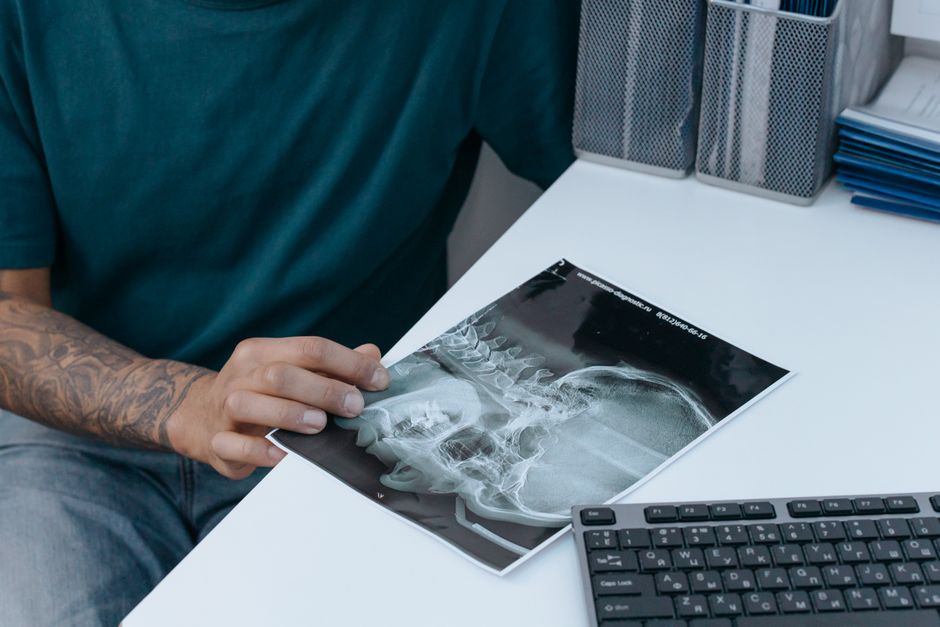
Jaw pain is not always limited to the jaw joint. The muscles, nerves, and movement patterns of the jaw, neck, upper back, and shoulders work together, so irritation in one area can influence symptoms in another. This relationship may help explain why some people notice jaw discomfort alongside neck stiffness, headaches, shoulder tension, or changes in posture.
The connection is real, but it is not as simple as saying that “poor posture causes TMJ problems.” Jaw disorders have many possible contributors, including clenching, grinding, injury, arthritis, stress, sleep problems, and muscle sensitivity. Spinal health may be one part of the overall picture rather than a single underlying cause.
What is the connection between jaw pain and the spine?
Jaw movement and neck movement are coordinated through shared muscles, joints, and nervous-system pathways. The temporomandibular joints sit just in front of the ears, while the upper cervical spine supports the head immediately below the skull. Muscles in the jaw, throat, neck, and upper back help stabilize these areas during speaking, chewing, swallowing, and head movement.
If the neck becomes stiff or painful, a person may change how the head is held or how the jaw moves. In the other direction, jaw pain can cause protective muscle tightening in the neck and shoulders. Over time, this may contribute to tension headaches, reduced neck motion, or discomfort between the shoulder blades.
Research has found that people with temporomandibular disorders often have reduced neck-muscle endurance, limited upper-neck movement, and more neck-related disability. That does not prove that spinal alignment caused the jaw problem. It does suggest that the jaw and cervical spine should sometimes be considered together.
Can poor posture cause jaw pain?
Posture may influence jaw and neck symptoms, but it is rarely the only explanation. Positions such as prolonged looking down at a phone, leaning toward a laptop, or sitting with the head forward can increase muscular demand around the neck and upper shoulders. Some people may also tighten the jaw in these positions without realizing it.
However, visible posture does not reliably identify the cause of jaw pain. Studies have not established that one specific head or neck position causes temporomandibular disorders. A person can have a forward-head posture without jaw symptoms, while someone with seemingly neutral posture may experience significant jaw pain.
A more useful question is whether a particular position consistently changes symptoms. For example:
- Does jaw tension increase after several hours of computer work?
- Does neck stiffness occur after driving or reading?
- Does pain improve when the shoulders are relaxed and the teeth are separated?
- Does turning or extending the neck reproduce facial or jaw discomfort?
These observations can help identify patterns without assuming that posture is the entire problem.
What symptoms suggest that the jaw and neck may be involved together?
Jaw-related symptoms may include pain near the joint, tenderness in the chewing muscles, stiffness, painful clicking, difficulty opening the mouth, or temporary locking. Pain may spread toward the cheek, temple, ear, neck, or shoulder.
Neck-related symptoms may include limited rotation, upper-neck soreness, muscle fatigue, or headaches that begin near the base of the skull. Some people notice that chewing increases neck tension, while others find that neck movement affects facial or jaw discomfort.
A clicking or popping sound by itself is common and does not necessarily indicate damage. It deserves more attention when it is painful, accompanied by limited movement, or associated with repeated locking.
Other conditions can feel similar to jaw pain. Dental infection, tooth damage, ear problems, sinus symptoms, nerve irritation, migraine, and other medical issues may cause pain in the face or jaw. For that reason, the location of pain alone cannot establish the diagnosis.
How can daily habits affect both areas?
Jaw and spinal symptoms often become more noticeable during periods of sustained muscle demand. Common examples include:
- Clenching the teeth while concentrating, lifting, driving, or working
- Grinding during sleep
- Chewing gum frequently or eating very tough foods
- Holding a phone between the shoulder and ear
- Spending long periods with the head bent toward a screen
- Sleeping in a position that aggravates the neck
- Guarding the jaw after an injury
- Repeatedly testing a painful joint by opening the mouth widely
Seasonal routines may also affect symptoms for local households. Cold outdoor conditions can lead to more time indoors, heavier clothing around the neck and shoulders, and longer periods of sedentary screen use. Snow clearing, lifting, and other winter tasks may add temporary strain to the upper back and neck. These factors do not directly create a jaw disorder, but they may expose or aggravate muscle tension.
What conservative steps may help?
Many short-term jaw and neck problems improve with gentle, noninvasive measures. The goal is to reduce irritation rather than force the jaw or spine into a particular position.
Helpful options may include:
- Resting the jaw by choosing softer foods for a few days
- Avoiding gum chewing, nail biting, and very wide yawning
- Keeping the teeth slightly apart when not eating
- Applying a comfortable warm or cool pack, depending on which feels better
- Taking regular movement breaks during desk work or phone use
- Supporting the forearms and keeping screens near eye level
- Performing gentle, pain-free neck movement rather than forceful stretching
- Not repeatedly checking jaw clicks or trying to “pop” the joint
- Paying attention to clenching during stressful or highly focused tasks
Over-the-counter pain medication may help some people, but it is not appropriate for everyone. Medication use should account for allergies, stomach or kidney problems, blood-thinning medicines, pregnancy, and other health conditions.
Spinal or jaw exercises should also be individualized. An exercise that helps one person may aggravate another, particularly after trauma or when the jaw is locking.
Should jaw pain be evaluated by a dentist, physician, chiropractor, or physical therapist?
The appropriate starting point depends on the symptoms. Dental evaluation is useful when pain may involve a tooth, bite-related concern, chewing difficulty, or a jaw joint problem. A medical evaluation may be needed for facial swelling, infection concerns, ear symptoms, unexplained persistent pain, or neurological symptoms.
A chiropractor or physical therapist may assess the neck, upper back, muscle tension, movement coordination, and contributing activity patterns. This type of assessment should complement—not replace—evaluation of the jaw, teeth, and other possible causes. Evidence does not support assuming that every jaw problem is caused by spinal misalignment or that forceful manipulation is necessary.
A careful assessment generally considers the jaw and neck together while avoiding treatments that permanently change the bite or joint without a clear diagnosis and strong justification.
When is jaw pain urgent?
Prompt medical or dental attention is warranted for jaw pain accompanied by:
- Facial or neck swelling
- Fever, drainage, or signs of infection
- Inability to open or close the mouth
- A jaw that remains locked
- Recent significant injury
- New numbness, weakness, confusion, or difficulty speaking
- Trouble breathing or swallowing
- Chest pressure, shortness of breath, sweating, or pain spreading to the arm or neck
Jaw discomfort with heart-related symptoms is an emergency, even if the pain seems mild or is felt mostly on one side.
Persistent pain, worsening headaches, repeated locking, or difficulty eating also deserves evaluation. The most useful care plan is based on the actual source of symptoms, not simply on the presence of a jaw click or a particular posture.
