
 See Our Latest Article on HelloNation
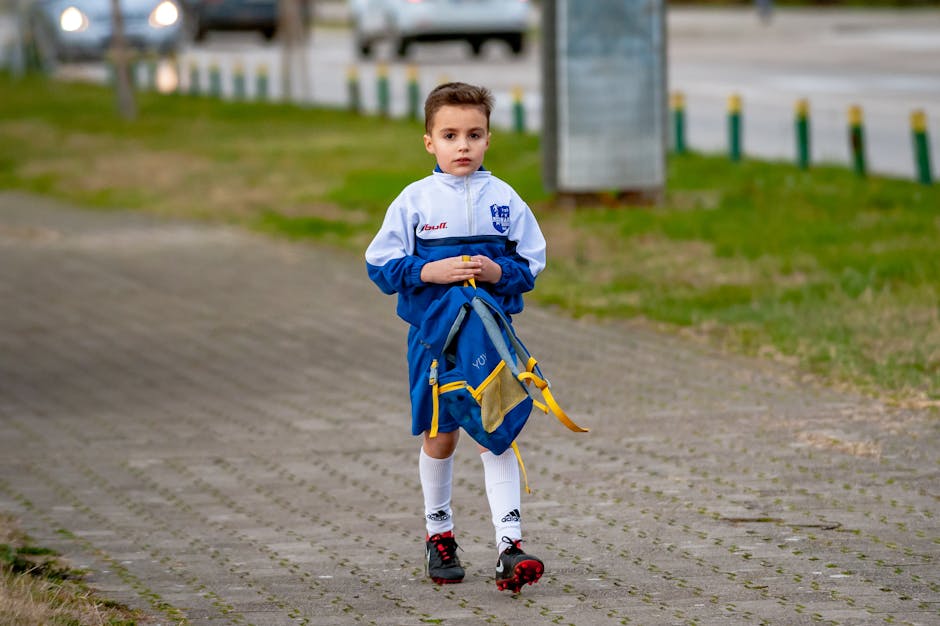
As the school year gets into full swing in Wilton, NY, it's a familiar sight: children waiting for the bus, hefty backpacks slung over their shoulders, filled with books, sports gear, and all manner of school essentials. While preparing kids for academic success is a top priority for Wilton families, the weight of these backpacks is an often-overlooked health concern that could be affecting your child’s well-being now and into the future.
How Much Weight Is Too Much for Backpacks?
Experts, including the American Chiropractic Association, recommend that a backpack should weigh no more than 10-15% of a child’s body weight. For a 70-pound Wilton elementary school student, this means their backpack should weigh between 7 and 10.5 pounds. Unfortunately, it’s common for local children to carry much more—especially during busy weeks filled with sports, library day, and other extracurricular activities common in our Saratoga County community.
The Effects of Heavy Backpacks on Children’s Bodies
Children’s musculoskeletal systems are still developing, making them especially vulnerable to the impacts of chronic overloading. Here are some of the health consequences associated with carrying an excessively heavy backpack:
- Postural changes: Kids often arch their backs, lean forward, or twist unnaturally to compensate for a heavy pack, leading to poor posture that can persist even after the backpack is removed.
- Back, neck, and shoulder pain: Excessive weight stresses the spine, muscles, and nerves, often resulting in soreness and discomfort—complaints Wilton parents might hear regularly during the school year.
- Increased risk of injury: Heavy backpacks can throw off balance, raising the chances of trips and falls, especially during winter when Wilton sidewalks are icy or uneven.
- Nerve compression: Tight shoulder straps can compress nerves in the arms and hands, resulting in tingling, numbness, or even weakness.
- Long-term spinal concerns: Repeated overload may contribute to more serious problems, such as spinal misalignment or even scoliotic changes over time.
Local Lifestyle Factors in Wilton, NY
Wilton families cherish outdoor activities—from hiking at Wilton Wildlife Preserve to joining local soccer leagues—so it's important for our kids to stay healthy and injury-free. Given our community’s active lifestyle and sometimes unpredictable weather, carrying excess weight daily can impact not only school performance but also participation in after-school sports or outdoor adventures.
In addition, with Wilton’s rural-suburban layout, many students depend on bus commutes, but getting to stops still requires carrying a backpack down long driveways or across uneven terrain, sometimes in rain or snow. This can intensify the risks linked to overloaded backpacks.
Signs Your Child’s Backpack May Be Too Heavy
Look for these warning signs:
- Your child complains of pain in the back, neck, or shoulders after school.
- Red marks appear on the shoulders from backpack straps.
- They struggle to put on or take off the backpack.
- Noticeable change in posture when wearing the backpack.
- Your child leans forward or to one side to offset weight.
If you see any of these signs, it’s time to take action.
Tips for Reducing Backpack-Related Risks
Wilton parents can help safeguard their children’s health with a few practical steps:
- Choose the right backpack: Select a lightweight bag with two wide, padded shoulder straps and a padded back. Waist and chest straps can help distribute weight more evenly.
- Pack smart: Encourage kids to only bring what they need for the day. Utilize school lockers if available, and empty out the bag regularly.
- Wear it right: Always use both shoulder straps, adjusting them so the pack sits snugly against the back. The bottom of the backpack should rest in the curve of the lower back, not below the waist.
- Weigh the backpack: Get into the habit of weighing your child’s pack. If it exceeds the safe weight range, remove unnecessary items or talk to teachers about managing loads.
- Promote core strength: Encourage activities that strengthen the core and back muscles, such as swimming, biking on local trails, or yoga classes, which are popular in Wilton.
When to Seek Professional Advice
Most discomfort from backpack use can be solved with the above changes. However, if your child continues to complain of pain, or you notice abnormal posture or uneven shoulders, it could be time to consult a healthcare professional. Chiropractors, especially those familiar with pediatric musculoskeletal health, can provide assessments and gentle corrections to prevent long-term issues.
Building Healthy Habits in Wilton
Wilton’s focus on family health, high-quality schools, and outdoor living provides the perfect foundation for positive change. Encouraging kids to take responsibility for their backpack weight and modeling good habits at home helps reduce the risk of injury. Schools in Saratoga County are increasingly aware of these risks—some even offer digital textbooks or lighter homework loads—so parents and educators can work together for student health.
Final Thoughts
A heavy backpack might seem like a minor concern in the grand scheme of your child’s education, but the impacts on growth, comfort, and overall wellness can be significant. By paying attention to backpack weight and usage, Wilton families can protect their children from unnecessary pain and help set them up for an active, pain-free life both in and out of the classroom.
If you have further questions about backpack safety, musculoskeletal health, or methods to keep your family healthy and active in Wilton, consulting with a local chiropractor who understands the unique needs of our community can make all the difference.
