
 See Our Latest Article on HelloNation
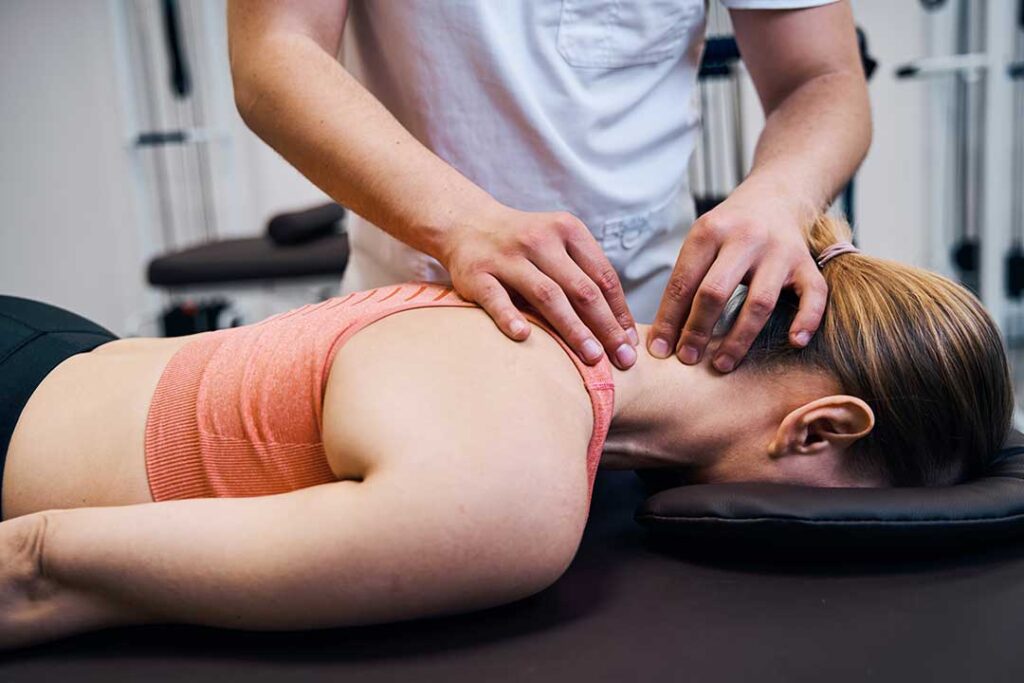
Golf depends on coordinated movement rather than strength alone. The hips, pelvis, spine, shoulders, wrists, and legs must work together repeatedly, often on uneven ground and through large rotational movements. Chiropractic care may support this process by addressing joint mobility, muscle tension, movement limitations, and pain that can interfere with a golfer’s swing.
It is not a shortcut to lower scores, and it cannot replace instruction, conditioning, or medical evaluation when symptoms are serious. Its potential value is more practical: helping a golfer move with less discomfort and better control.
Can chiropractic care actually improve a golf swing?
Chiropractic care may improve the physical conditions that support a golf swing, such as spinal and hip mobility, comfortable rotation, and tolerance for repeated practice. It does not directly correct club selection, grip, alignment, or swing mechanics.
A golf swing places substantial demands on the trunk. The body rotates, shifts weight, bends forward, and transfers force from the ground through the legs and hips into the upper body. If the hips or upper back do not move well, a golfer may compensate by asking the lower back or shoulders to rotate farther than they comfortably can.
Research on golf-related low back pain suggests that the problem is multifactorial. Factors may include previous back pain, limited hip motion, reduced trunk endurance, excessive practice, and the asymmetrical and forceful nature of the swing. However, recent reviews have not established that a particular swing flaw alone causes back pain. ([pubmed.ncbi.nlm.nih.gov](https://pubmed.ncbi.nlm.nih.gov/38446499/?utm_source=openai))
What parts of the body matter most?
The lower back is a common area of concern, but golf performance involves the entire movement chain.
Hips
The hips help rotate the pelvis and transfer force during the backswing and downswing. Limited hip mobility can make the lumbar spine work harder to create the needed rotation.
Mid-back and shoulders
The thoracic spine, or mid-back, contributes to upper-body rotation. Stiffness in this region may encourage excessive movement through the neck, shoulders, or lower back.
Pelvis and lower back
The pelvis provides a stable base for trunk rotation. If the pelvis cannot move smoothly, a golfer may feel tightness, early fatigue, or pain during follow-through.
Ankles and feet
Foot position, balance, and ankle mobility influence weight transfer. This can matter particularly for residents who play early in the season, when cold temperatures and reduced winter activity may leave the body less prepared for repeated swings.
How might a chiropractor help?
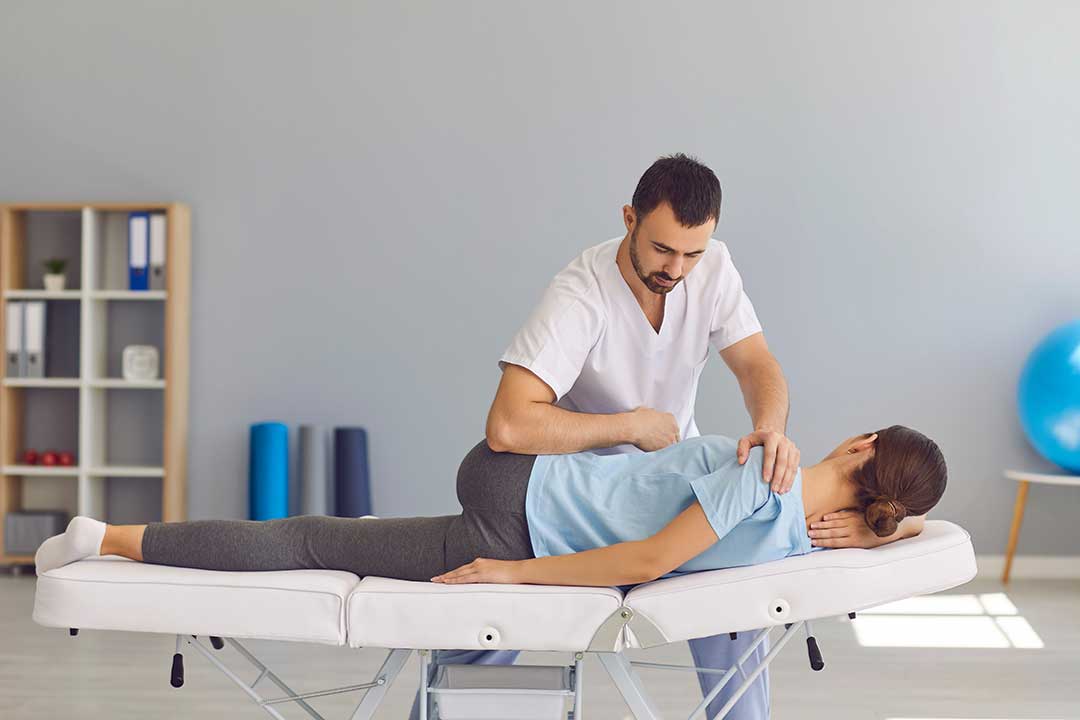
A chiropractor may begin with a history and movement assessment rather than assuming that every problem comes from a “misaligned” spine. The evaluation may consider pain location, prior injuries, hip and shoulder motion, spinal movement, balance, strength, and activities outside golf.
Care may include:
- Manual joint mobilization or manipulation when appropriate
- Soft-tissue techniques for muscles that limit movement
- Mobility exercises for the hips, mid-back, or shoulders
- Strength and endurance exercises for the trunk and hips
- Advice about gradually increasing practice and walking volume
- Coordination with a golf instructor, physical therapist, physician, or other clinician when needed
Spinal manipulation can provide short-term improvement for some people with nonspecific low back pain, but it should be viewed as one option within a broader plan. Evidence does not show that targeting one specific vertebra produces better outcomes than a more general approach. ([pubmed.ncbi.nlm.nih.gov](https://pubmed.ncbi.nlm.nih.gov/37506306/?utm_source=openai))
The most useful plan is usually the one that combines symptom management with active exercise and changes to the activities that aggravate symptoms.
Can treatment help with flexibility and rotation?
It may, particularly when restricted movement is caused by joint stiffness, muscle guarding, or pain. Improved motion can make it easier to complete a comfortable backswing and finish without forcing the lower back to do all the work.
A simple example is a golfer who cannot rotate the upper back easily. That golfer may compensate by extending the lower back or sliding the pelvis. Improving upper-back mobility may reduce the need for that compensation, although it does not guarantee a better swing.
Mobility should not be forced. A larger range of motion is not automatically safer or more powerful. Golfers need controlled movement, not extreme flexibility.
What can golfers do between rounds?
Chiropractic care is more likely to be useful when paired with consistent habits. Before a round or practice session, spend several minutes increasing body temperature and rehearsing the movements used in golf.
A practical warm-up might include:
- Brisk walking for five minutes
- Gentle trunk rotations
- Hip hinges with a neutral spine
- Controlled practice swings that gradually increase in speed
- Light shoulder and arm movements
- A few partial swings before full-power shots
Avoid beginning a session with repeated maximum-effort drives. A golfer who has not played since autumn should also avoid treating the first spring outing as a full-season tournament. Sudden increases in swings, walking, or carrying equipment can expose weaknesses that were not noticeable during the off-season.
Strength work can also help. Useful areas include the gluteal muscles, abdominal and back muscles, upper back, and legs. Exercises should be selected according to current ability, health history, and symptoms rather than copied from a generic golf program.
Does chiropractic care prevent golf injuries?
No treatment can guarantee injury prevention. Chiropractic care may help identify movement limitations and support rehabilitation, but injury risk is also influenced by training volume, age, prior injury, sleep, strength, equipment, technique, and recovery.
A golfer should pay attention to symptoms that appear earlier or become more intense from one round to the next. Pain that changes normal walking, causes weakness, or persists after rest deserves more careful evaluation.
A golf instructor may be helpful for swing-specific concerns, while a physical therapist may be appropriate when rehabilitation and progressive exercise are central needs. These roles can complement, rather than replace, chiropractic care.
When should back or joint pain be evaluated promptly?
Some symptoms should not be managed as an ordinary golf strain. Seek prompt medical evaluation for back pain accompanied by:
- New loss of bowel or bladder control
- Numbness around the inner thighs or groin
- Progressive leg weakness
- Severe pain after a fall or collision
- Fever, unexplained weight loss, or significant nighttime pain
- Numbness or weakness that is rapidly worsening
For less urgent symptoms, persistent pain, repeated flare-ups, or pain that limits normal activity still deserves assessment. The goal is to determine whether the problem is mechanical and suitable for conservative care or whether another type of evaluation is needed.
For local residents, the seasonal pattern of golf can make pacing especially important. A long winter with less outdoor activity may be followed by rapid increases in walking, practice swings, and weekend rounds. Preparing gradually can help the body adjust before demanding full-power rotation over many holes.
What should golfers realistically expect?
The realistic goal is not that chiropractic care will automatically add distance or eliminate every ache. A more reasonable expectation is improved comfort, better tolerance for practice, and a clearer understanding of which movements or workloads are contributing to symptoms.
A healthy golf program combines gradual conditioning, adequate recovery, sensible warm-up, swing instruction when appropriate, and care that matches the actual problem. Chiropractic treatment may be one part of that process, especially when joint or muscle restrictions are interfering with comfortable movement.
